Materiality of the digital, materiality of bodies
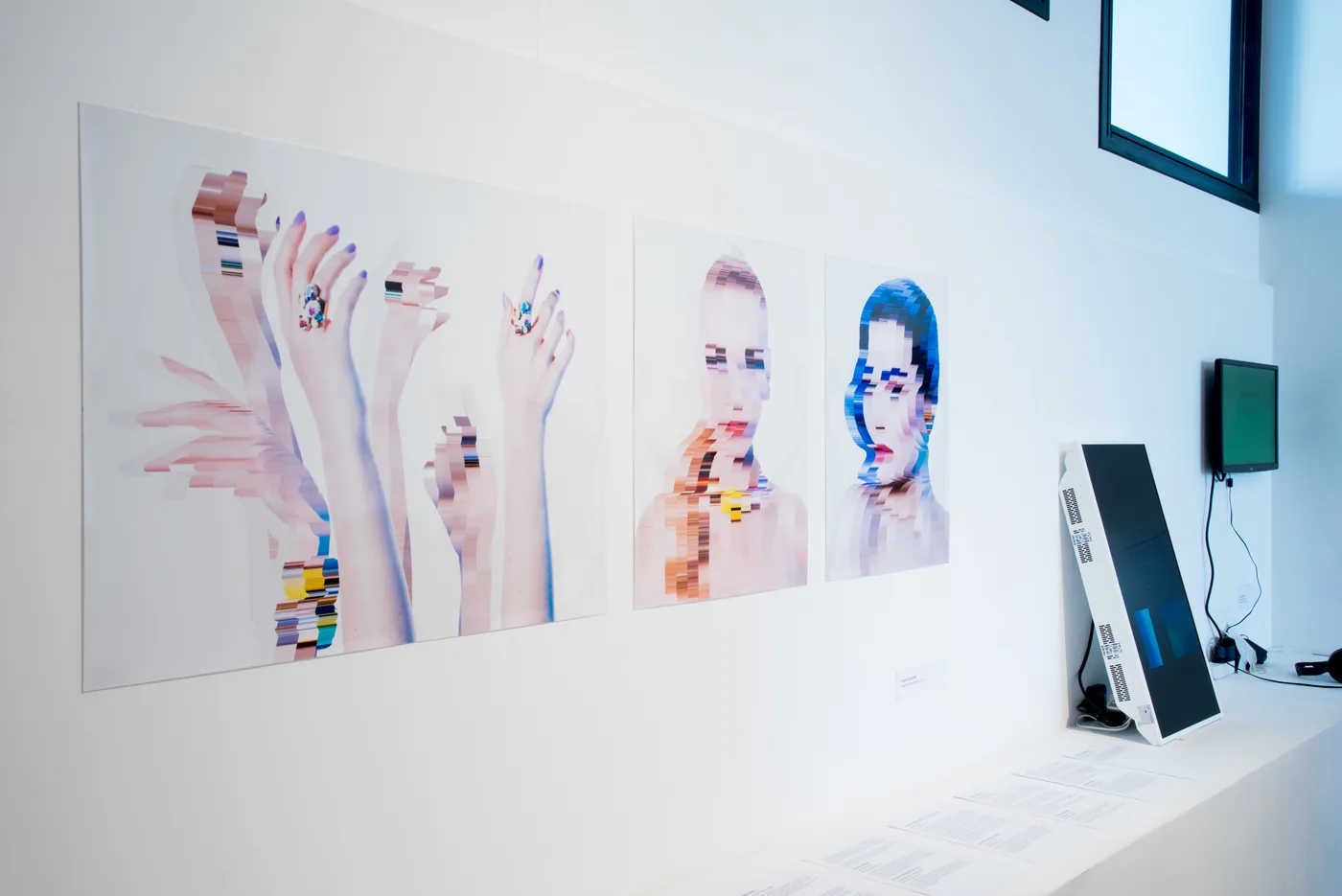
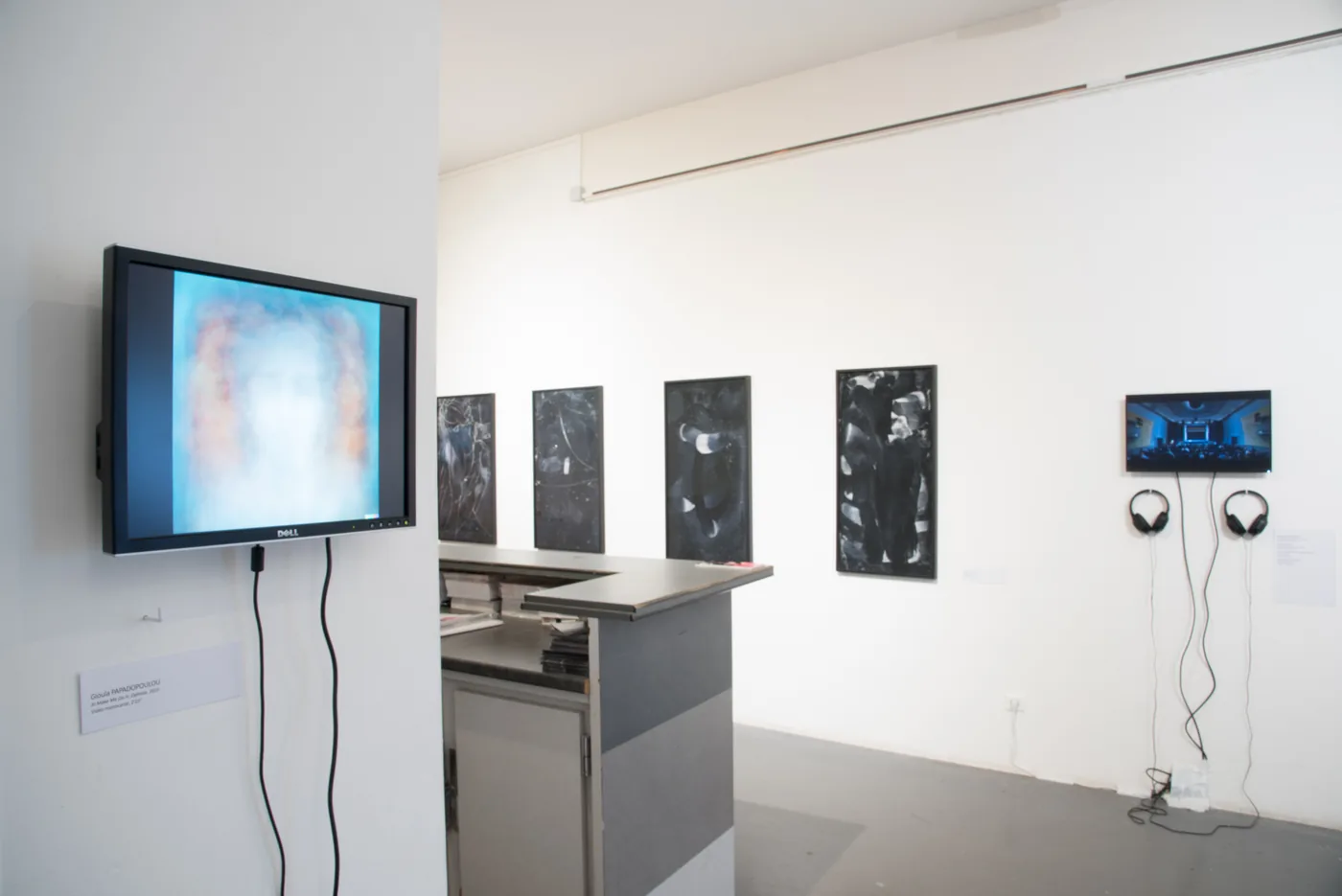
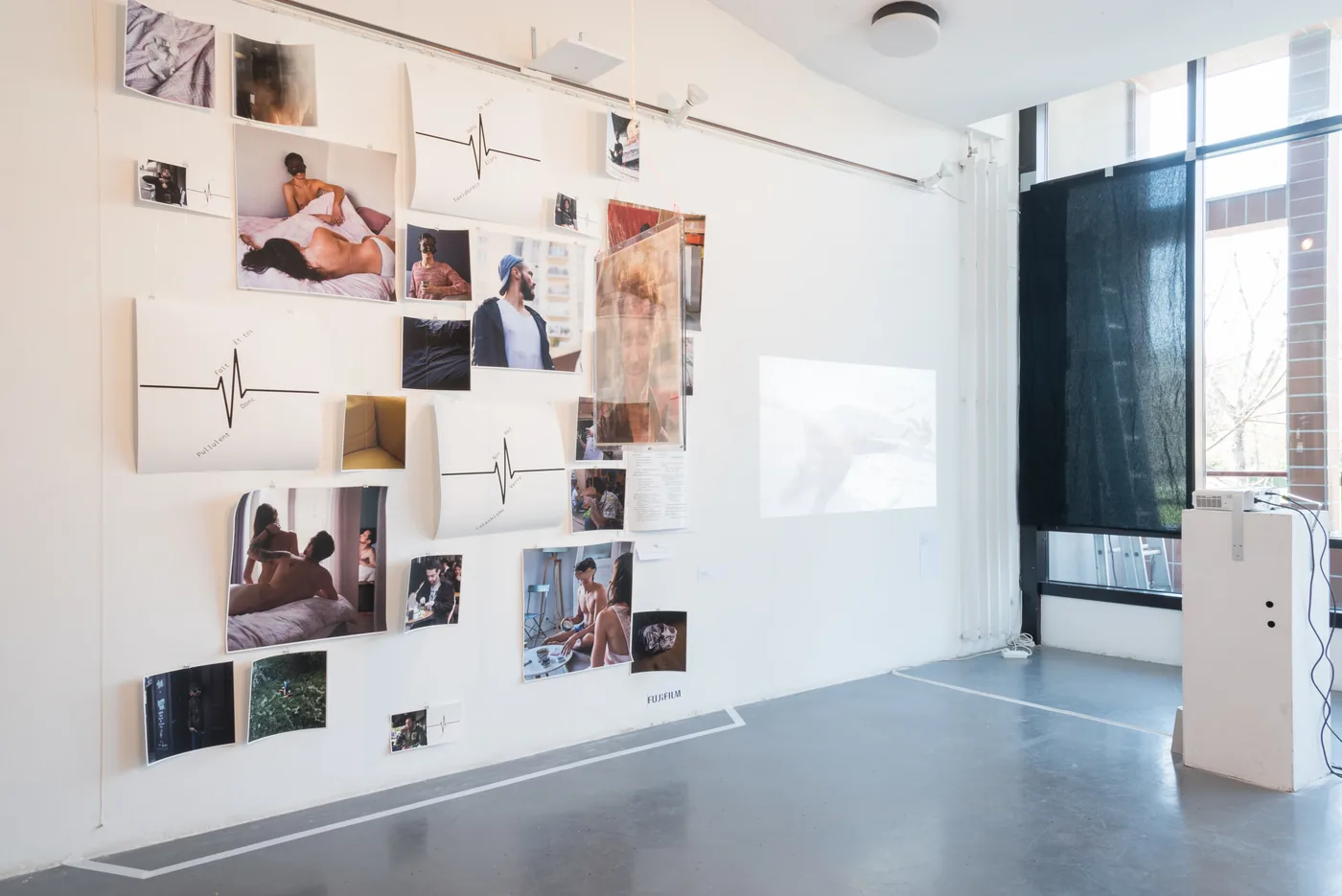
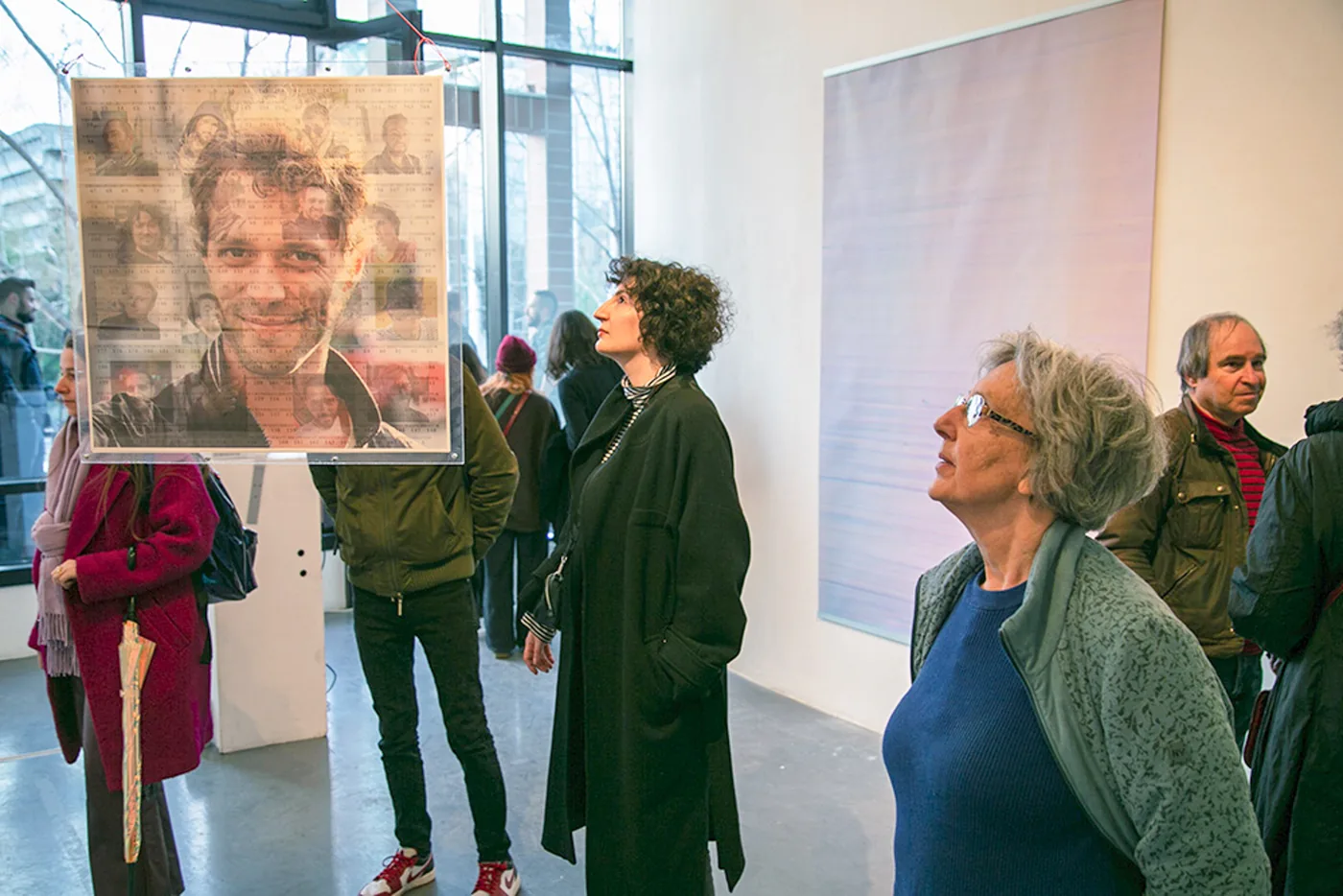
The exhibition Alchimies numériques vibrates not only with representation but also with the condition and experience of bodies (of our bodies) evolving in a universe that is now digital. These are the bodies captured by vision apparatuses, which become disfigured on the surface of a liquid and unstable image. It is the body of contact, of the trace, of real skin, which, because it is not immaculate and synthetic, draws hidden forms on the screen as it passes, forms rendered invisible by the excess of light, forms that obstinately persist once the curtain has closed on our small contemporary high-tech stained-glass windows.
These works make perceptible a reality rendered invisible in several respects: that of the often concealed materiality of the digital, which interacts with the concrete materiality of bodies. The materiality of the digital has been strategically obscured since the beginnings of this technology and its spread in the 1990s. Presented as immaterial and therefore harmless, the digital had no trouble conquering time, space and bodies: surveillance, uberization, threats to critical thinking… In the cloud, everyone remains in their comfortable “echo chamber1,” where they can quietly hold on to their prejudices, while the hyper-segmentation of individuals turns them into predictable and privileged targets of hyper-marketing. Nothing moves: a (new) end of History, or worse, radicalization, withdrawal into oneself, Donald Trump, flat-earthers… On the other side of the screen, the materiality of bodies is also rendered invisible, normalized, discriminated against. As the changing complexity of the human being puts to the test the techniques that seek to anticipate it, power stipulates the norm to be followed; it forces the universe of possibilities for the expressions of human existence. The myth of the cloud, and this is what emerges forcefully from the exhibition, requires as a counterweight the imposition of normalized bodies, arranged according to standardized matrices that offer themselves to the Cartesian, accounting gaze, under which bodies become docile objects.
And yet, in the real world, materialities combine, collide and often merge without any pre-established rule, and even the “hyper-calculated” tool, the computer, offers a glimpse of a window of indeterminacy unveiled by the artistic gesture.
PARISER E., 2011, The Filter Bubble: What the Internet Is Hiding from You, Penguin Press.↩︎
Cite this pageCórdoba, Pablo-Martín. “Materiality of the digital, materiality of bodies”. In Making Digital Images in the Light of Experimental Cinema — Anthropological and Political Resonances of Algorithms in Contemporary Art, Doctoral thesis in visual arts and photography, Université Paris 8 Vincennes-Saint-Denis, Doctoral School EDESTA (no. 159), research unit AIAC, 2026. https://www.pablomcordoba.com/thesis/materiality-of-the-digital-materiality-of-bodies/